
How to Repair Damaged Roads
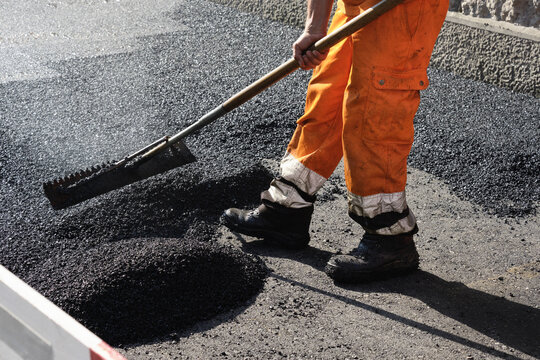
Repairing damaged roads is a crucial task that ensures the safety and efficiency of transportation networks. Whether it’s potholes, cracks, or erosion, maintaining road integrity is essential for smooth travel and minimizing vehicle wear and tear. This guide will explore the comprehensive steps and innovative techniques on pafikotasampang.org.
Assessing Road Damage
Before diving into the actual repair process, it’s essential to conduct a thorough assessment. Understanding the extent and type of damage will determine the appropriate repair method. Start with a detailed visual inspection, looking for cracks, potholes, surface wear, and structural weaknesses. For more in-depth analysis, employ ground-penetrating radar (GPR) to detect subsurface issues. This advanced technology helps in identifying voids and moisture accumulation that might not be visible on the surface.
Preparation and Safety Measures
Once the assessment is complete, the next step involves preparing the site and ensuring safety. Close off the damaged area to traffic and set up proper signage to warn motorists. Safety gear for workers, including helmets, gloves, and reflective vests, is mandatory. Clean the damaged area by removing debris, dirt, and loose material. This step is vital as it ensures that the repair materials adhere properly.
Repairing Cracks
Cracks are one of the most common types of road damage. They might seem minor, but if left unattended, they can expand and lead to more significant issues. Here’s how to repair damaged roads with cracks:
- Routing and Sealing: For minor cracks, routing them to a uniform width and then sealing them with a hot rubberized sealant can be effective. This method prevents water infiltration, which can cause further damage.
- Crack Filling: For wider cracks, use a cold pour crack filler. This material is flexible and can adapt to the road’s movements, providing a long-lasting solution.
- Overbanding: This technique involves applying a band of sealant over the crack to provide additional protection and prevent debris from entering.
Fixing Potholes
Potholes are not only a nuisance but can also cause significant vehicle damage. Addressing them promptly is crucial. Here’s how to repair damaged roads with potholes:
- Cutting and Removing: Begin by cutting around the pothole to create clean edges. Remove the debris and loose material from the hole.
- Applying Tack Coat: A tack coat, which is a bituminous adhesive, should be applied to the edges and base of the pothole. This helps in binding the new material to the old surface.
- Filling: Use hot mix asphalt (HMA) to fill the pothole. Compact the material in layers to ensure durability. A vibratory plate compactor or roller can be used for this purpose.
- Sealing: Once filled, seal the edges of the repaired area with a rubberized sealant to prevent water infiltration and ensure longevity.
Addressing Surface Erosion
Surface erosion is another common issue, especially in areas with heavy rainfall. This can lead to the road surface becoming uneven and slippery. Here’s how to repair damaged roads suffering from erosion:
- Overlaying: Applying a new layer of asphalt over the eroded surface can restore the road’s smoothness and structural integrity. This method is quick and effective for minor to moderate erosion.
- Micro-Surfacing: For more severe erosion, micro-surfacing can be employed. This involves applying a mixture of polymer-modified asphalt, aggregate, and water over the existing road surface. It provides a durable and skid-resistant finish.
- Reconstruction: In cases of extreme erosion, partial or full reconstruction of the road may be necessary. This involves removing the damaged sections and rebuilding them with new materials.
Advanced Techniques
Modern technology offers advanced techniques for how to repair damaged roads. These methods not only improve efficiency but also enhance the quality of repairs.
- Infrared Asphalt Repair: This technique uses infrared technology to heat the damaged area, making the asphalt pliable. The softened asphalt is then mixed with new material and compacted, creating a seamless repair.
- Recycling and In-Place Recycling: Recycling old asphalt on-site reduces waste and cost. In-place recycling involves grinding the existing asphalt, mixing it with new binding agents, and laying it back down.
- Geosynthetics: These are synthetic materials used to reinforce the road structure. Geogrids and geotextiles can be used in areas prone to heavy traffic or weak subgrades, providing additional support and prolonging the road’s life.
Conclusion
Maintaining road integrity is essential for safe and efficient transportation. By understanding how to repair damaged roads using a variety of techniques, from simple crack repairs to advanced infrared technology, communities can ensure their roads remain in optimal condition. Regular assessments, proper preparation, and employing the right methods are key to successful road maintenance. Through these efforts, we can enhance the durability and safety of our transportation infrastructure, benefiting everyone who relies on these vital pathways.


